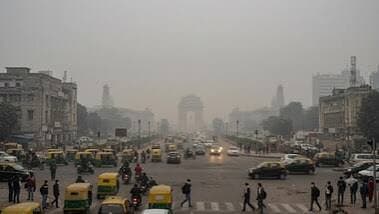
According to the Central Pollution Control Board (CPCB), air quality readings from 292 cities in India on November 18, 2026, show alarming levels of pollution. Many cities are experiencing severe air quality issues, primarily due to PM2.5 pollutants.
Current Air Quality Levels in India
As of 18 November 2026, air quality levels across India reflect significant concerns. According to the Central Pollution Control Board (CPCB), there are 10 cities classified under the severe category and 98 cities marked as very poor. This indicates a widespread issue affecting air quality in many urban areas.
The breakdown of air quality index (AQI) categories is as follows:
- Severe: 10 cities
- Very Poor: 98 cities
- Poor: 64 cities
- Moderate: 70 cities
- Satisfactory: 44 cities
- Good: 6 cities
For those interested in checking air quality near them, you can visit this link.
Impact of Poor Air Quality on Health
Poor air quality can have serious implications for health, particularly for vulnerable groups such as children, the elderly, and individuals with pre-existing health conditions. Exposure to high levels of pollutants, especially PM2.5, can lead to respiratory issues, cardiovascular diseases, and other serious health problems. Children are particularly at risk as their lungs are still developing, and they may experience long-term effects from early exposure to polluted air.
To mitigate these risks, consider the following practical steps:
- Limit outdoor activities: Especially during times when air quality is reported as poor or severe.
- Use air purifiers: Investing in a good-quality air purifier can help reduce indoor pollution levels.
- Maintain indoor ventilation: Ensure that your living spaces are well-ventilated but avoid opening windows on days with high pollution levels.
- Wear masks: When going outside, especially in heavily polluted areas, wearing a mask can provide some protection.
- Stay informed: Regularly check air quality updates to make informed decisions about outdoor activities.
Cities Most Affected by Pollution
As of 18 November 2026, several cities in India are facing severe air quality challenges, with some reporting alarming AQI levels. Ballabgarh in Haryana, with an AQI of 437, leads the list, followed closely by Bileipada in Odisha at 422 and Khanna in Punjab at 418. These cities are grappling with high levels of PM2.5, which poses significant health risks.
Other cities experiencing severe pollution include Bhiwadi, Gummidipoondi, and various locations in Haryana, such as Kaithal and Gurugram. The consistent presence of high AQI readings across these regions highlights the urgent need for awareness and action. Residents in these areas should take precautions to protect their health and well-being. For more information on air quality in your area, visit this page.
Protecting Yourself from Air Pollution
To protect yourself from the adverse effects of air pollution, especially during high pollution days, consider implementing the following strategies:
- Stay Indoors: Limit outdoor activities when air quality is reported as poor or severe. If you must go outside, try to do so during times when pollution levels are lower.
- Use Air Purifiers: Investing in a quality air purifier can significantly reduce indoor air pollution. Look for purifiers that are effective against PM2.5 particles.
- Wear Masks: When venturing outdoors, especially in areas with high pollution, wearing a mask can help filter out harmful particles. Choose masks that are specifically designed for air pollution.
- Close Windows: Keep windows and doors closed on days with high pollution levels to prevent outdoor air from entering your home.
- Monitor Air Quality: Regularly check air quality updates to stay informed about pollution levels in your area. You can find real-time data online.
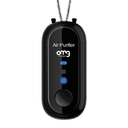
For more information on air purifiers, you can visit our page on OMG Air Purifier.
What to Do If You Experience Symptoms
If you notice symptoms such as coughing, difficulty breathing, or throat irritation due to poor air quality, it is essential to take immediate action. First, seek medical attention, especially if symptoms worsen or do not improve. Avoid outdoor activities until air quality conditions improve, as exposure can exacerbate health issues.
Here are some practical steps to follow:
- Stay Indoors: Limit your time outside, particularly during peak pollution hours.
- Use Air Purifiers: If possible, use a good-quality air purifier indoors to help reduce pollutants.
- Keep Windows Closed: Prevent outdoor air from entering your home by keeping windows and doors shut.
- Wear Masks: If you must go outside, wearing a mask designed for air pollution can help protect your lungs.
- Stay Hydrated: Drink plenty of water to help your body cope with the effects of pollution.
- Monitor Symptoms: Keep track of any changes in your health and consult a doctor if necessary.
For more information on air quality and protective measures, you can visit our page on air quality near you.
Everyday Habits for Better Air Quality
Improving air quality is a collective effort that can start with simple changes in our daily habits. Here are some practical steps you can adopt to contribute positively:
- Use Public Transport: Opt for buses, trains, or shared rides whenever possible. This reduces the number of vehicles on the road, which helps lower emissions.
- Reduce Waste: Minimise plastic use and practice recycling. Proper waste management can lessen pollution from landfills and incineration.
- Support Clean Energy: Advocate for and use renewable energy sources like solar or wind. This can significantly reduce reliance on fossil fuels.
- Plant Trees: Engage in community tree-planting initiatives. Trees improve air quality by absorbing carbon dioxide and releasing oxygen.
- Educate Others: Share information about air quality and pollution with friends and family. Awareness can lead to more people taking action.
- Limit Indoor Pollutants: Use natural cleaning products and avoid burning candles or incense indoors to keep indoor air clean.
By incorporating these habits into your daily routine, you can play a part in enhancing air quality over time. For additional guidance on improving indoor air quality, consider exploring our OMG Air Purifier.